Building an AI software build vs buy matrix for TCO
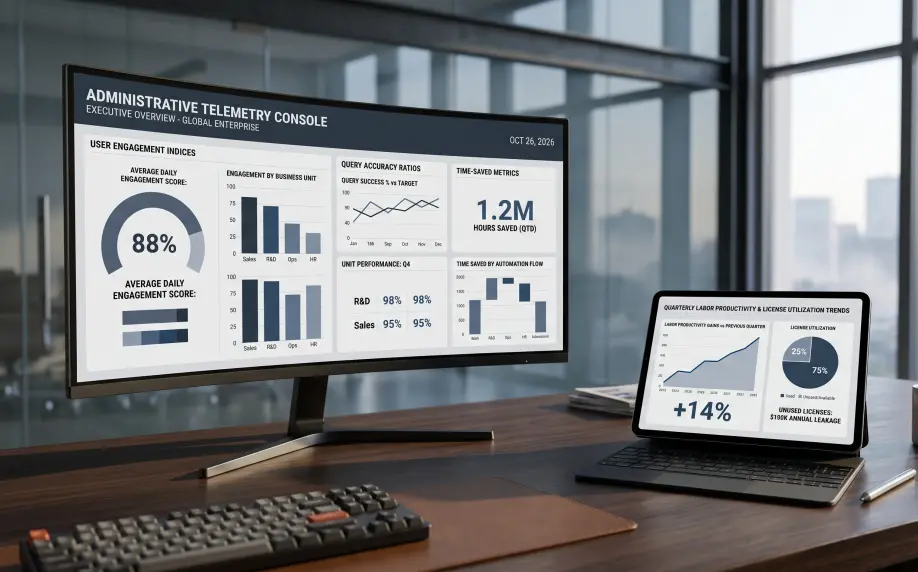
Marco de medición y métricas de telemetría para measuring Copilot productivity gains en plataformas corporativas.

Developing a comprehensive AI software build vs buy matrix allows corporate technology directors and chief financial officers to calculate Total Cost of Ownership (TCO), forecast cloud compute expenditures, and mitigate long-term vendor lock-in risks in this 2026. As artificial intelligence transformations accelerate across enterprise sectors, software procurement decisions must evaluate multi-year financial commitments rather than … Read more
Maximizing efficiency with AI test case generation

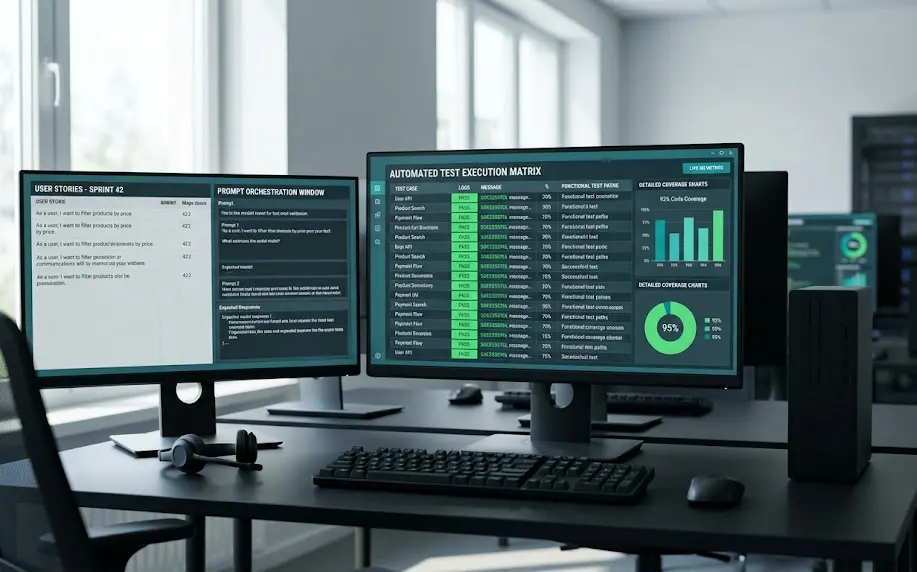
A quality assurance dashboard showing automated test execution matrix metrics and AI generated edge cases.

Intelligent automation systems leverage advanced machine learning models to synthesize comprehensive validation steps natively, reducing the time required to map deep system requirements into executable scenarios in this 2026. Traditional quality assurance frameworks rely heavily on human analysts to manually read through pages of text specifications, a slow process that frequently misses hidden combination bugs … Read more

How to automate API security testing in pipelines

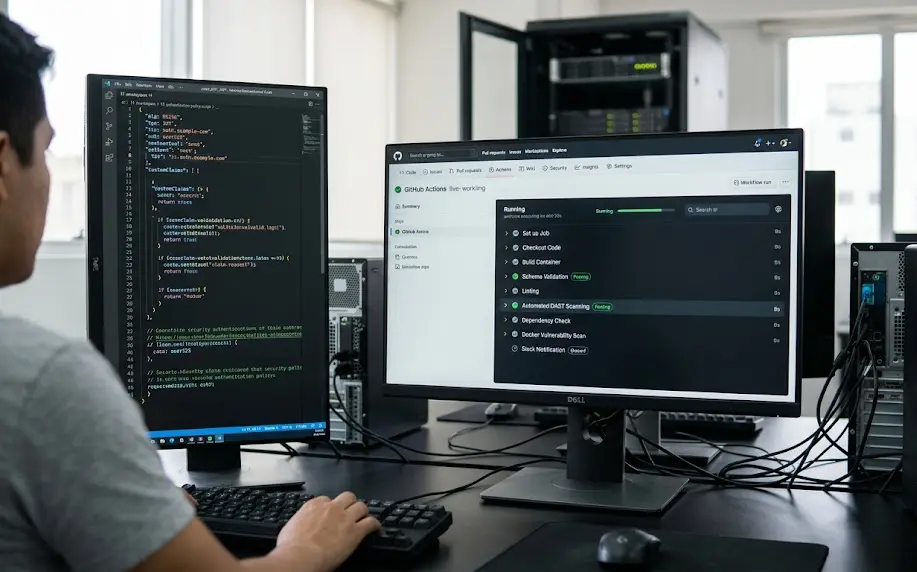
Implementation guide on how to automate API security testing within continuous deployment pipelines.

Implementing protocols to automate API security testing ensures that modern microservices architectures maintain data confidentiality without creating deployment delays for development teams in this 2026. The shift toward fast-paced release cycles demands automated validation rules that inspect every endpoint code change before the final compilation occurs. Passing tokens and JSON payloads through continuous inspection loops … Read more

Designing Continuous Verification Loops for Modern Finance Apps

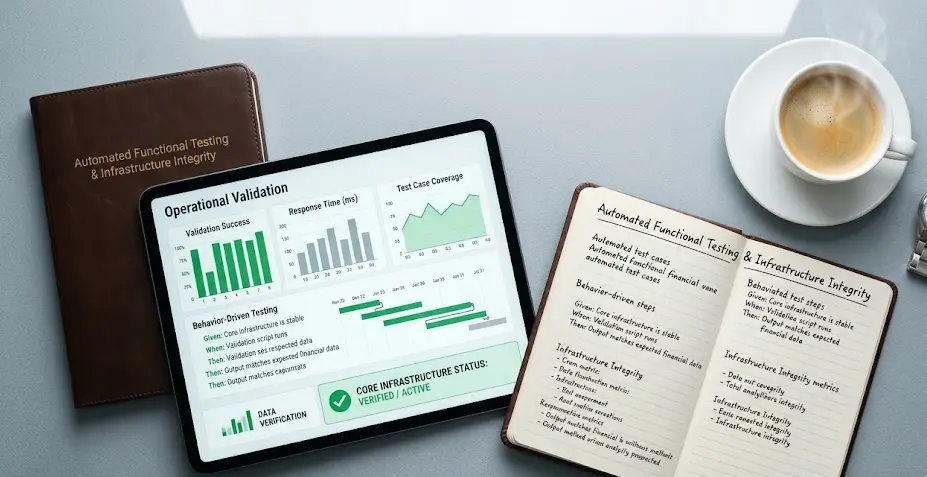
Technical framework analysis showing automated behavioral parameters for functional testing in fintech applications.

Implementing systematic functional testing in fintech pipelines represents the primary mechanism for mitigating transactional risk and securing long-term brand reputation across digital asset platforms. While enterprise tech leaders regularly concentrate their resources on refining external user interfaces, implementing vibrant typography, and optimizing onboarding screens, these frontend assets collapse if the ledger processing engine fails under … Read more

Designing Modern AI Code Review Guidelines for Engineering Teams

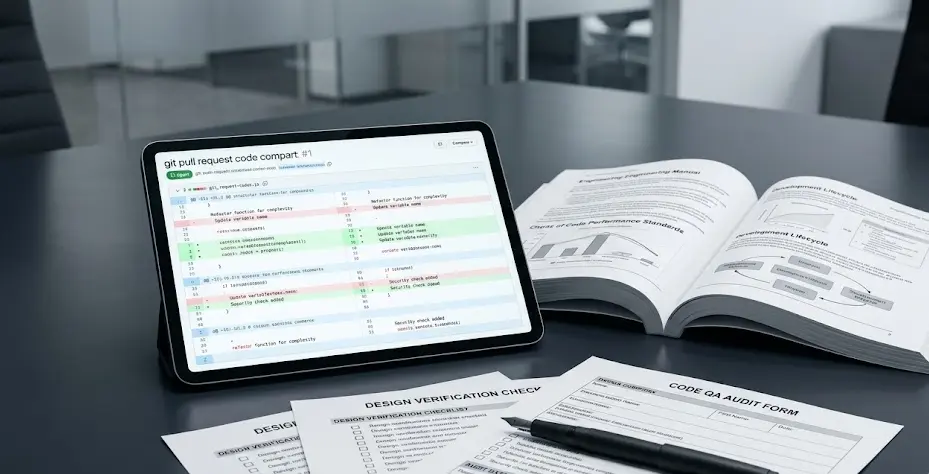
A senior developer conducting a rigorous pull request review, verifying automated code suggestions against system architecture.

As automated assistants accelerate the raw speed of text compilation inside engineering departments, traditional pull request workflows must transform to prevent codebases from drifting into architectural misalignment by implementing updated AI code review guidelines.When developers accept block-level suggestions without thorough verification, the pull request process can quickly descend into a superficial approval loop that threatens … Read more

The Mental Metric: Managing Cognitive Load in Knowledge Work

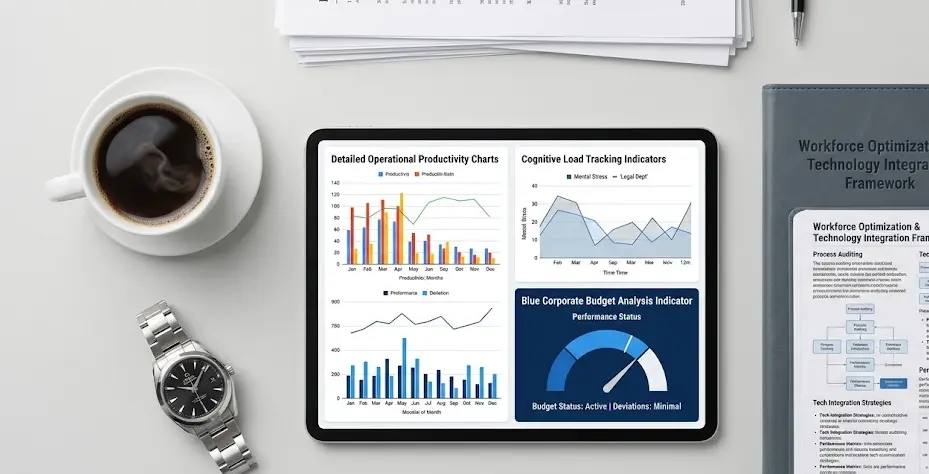
Corporate team leader analyzing team output metrics and cognitive load indicators on a high-resolution tablet screen.

Traditional productivity discussions frequently view corporate performance through a mechanical lens, assuming that human effort behaves like machine capacity: reduce execution hours and organizational value scales automatically.However, modern enterprise operations do not function that cleanly, as mental energy is a finite corporate resource that directly dictates project success. Analyzing the true return on technological investments … Read more

Reduction of Operating Costs Through Automation of Data Flows

DataAutomationEcosystems

Reduction of operating costs through automation of data flows serves as the definitive architecture for mid-market businesses seeking to control expansion expenses. Many growing enterprises manage daily work through separate software platforms that function in total isolation. Sales professionals document interactions in one platform, financial professionals use another, and warehouse personnel rely on standalone tools. … Read more

The Agility Paradox: Why Continuous Discovery is the Antidote to Velocity Addiction

BuildingfastBuildingright

Successfully embedding a modern product discovery process into an organization requires far more than adopting new design tools; it demands a fundamental transformation of corporate culture. In traditional corporate environments, executives frequently treat product teams as feature factories, measuring their total value by the sheer volume of code deployed rather than the business metrics achieved.This … Read more

The Cloud Isn’t Weightless: Redesigning Corporate Infrastructure for Lower Emissions

businesswithoutfailing2

Sustainable digitization requires software development teams to fundamentally rewrite their definition of high-performing code. For decades, software efficiency was measured solely by execution speed and hardware manufacturing costs, treating energy consumption as a virtually free resource. Today, this oversight has created a massive backlog of bloated corporate software that strains physical power grids through relentless, … Read more

The Final Stretch: A Checklist for Last-Mile Application Stability

High-volume periods like Black Friday or holiday peaks are the ultimate tests for supply chain logistics. To succeed, Stress-Testing the Last Mile must be a continuous process, not a one-time event. Whether you are launching a new feature or scaling for a seasonal event, knowing if your app is ready for launch requires an honest … Read more