
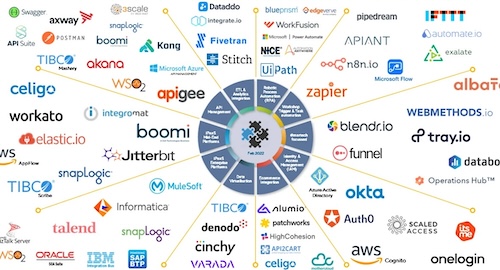
The primary benefit of this cross-platform optimization is the elimination of software silos. When business updates mirror instantly across all databases, organizations avoid the communication delays that slow down daily decision-making.
What is the true corporate cost of software disconnection and duplicate data entry?
When distinct internal business departments depend on isolated software environments, staff must manually copy records to keep things synchronized. This repetitive transcription work strains administrative resources and distracts team members from high-value analysis.
Financial analysis shows that duplicate record entry quietly consumes hundreds of operational working hours over time. Synchronizing these platforms through automated data links allows information to transition across departments instantly.
Failing to connect your primary business tools results in paying high-tier wages for basic data transcription tasks.
What financial toll do internal error rectification cycles impose on a business?
The immediate financial loss from an incorrect data entry point is often dwarfed by the time wasted correcting the error later on. When a billing or shipment record contains mistakes, administrative staff must dig through old files to find the issue.
Deploying automated data filters protects system accuracy by checking inputs against custom rules before saving. Automated workflows significantly lower human entry error rates.
Automating information validation steps prevents errors from spreading through adjacent business units and causing systemic operational disruption.
Can real-time database synchronization improve overall corporate information security?
Relying on manual file transfers or unsecured email attachments to share operational info exposes businesses to compliance vulnerabilities. Centralized data sync architectures keep records updated securely across all business units without human handling.
- Automated access protocols guarantee that only authorized staff view sensitive financial data.
- Real-time data links eliminate data conflicts caused by team members working from outdated files.
- Secure cloud pipelines maintain permanent audit histories for compliance tracking.
Consolidating data pathways removes unsecured information gaps and builds long-term organizational trust.
How do organizations build a highly connected software architecture?
Modernizing data management workflows requires linking core applications, using automated validation rules, and setting up instant alert triggers. Companies must systematically connect their software tools to protect profit margins and increase daily output. This disciplined approach prevents operational bottlenecks and lowers administrative costs.
To establish long-term market advantages, implementing a connected technical framework prevents data silos. Prioritizing synchronized systems ensures your business operates with complete data accuracy.
Building integrated data pathways allows companies to handle higher transaction volumes without inflating routine administrative costs.